
What happened
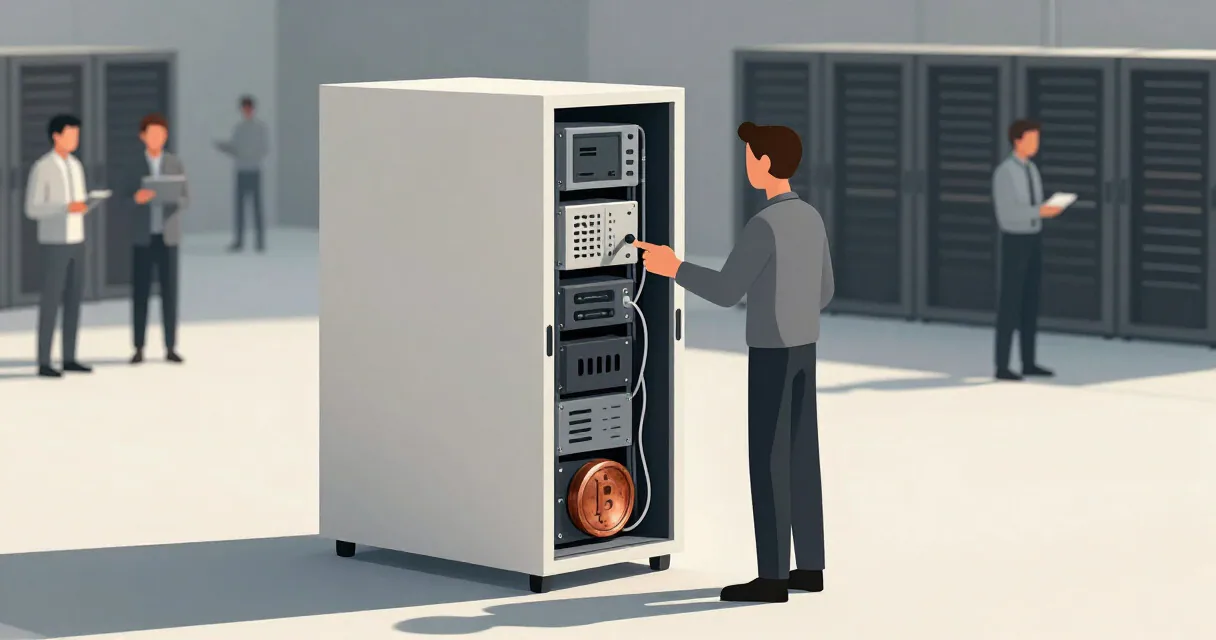
Suspected North Korean IT workers joined a fake crypto startup where they were secretly monitored.
Why it matters
The plot links the crypto industry to a potential intelligence-gathering operation, but currently relies on a limited volume of confirmations.
Suspected North Korean IT workers joined a fake crypto startup, unaware that their every action was being watched. This is reported by Cointelegraph in an article published on August 12, 2026.
According to the synopsis of the publication, the goal of the surveillance was to obtain valuable intelligence. The available package contains no details about the creators of the startup, the scale of the operation, or the specific data that was obtained.
The story is significant as it demonstrates the potential use of fictitious companies for surveillance within the crypto industry. As this account relies on a single independent source and its metadata, the conclusions require further verification.
Confirmed facts
- Cointelegraph reported on suspected North Korean IT workers who joined a fake crypto startup.
- The workers did not know that their actions were being monitored.
- According to the Cointelegraph synopsis, the surveillance was aimed at obtaining valuable intelligence.
- The source published the material on August 12, 2026.
Context
Only a synopsis of the Cointelegraph publication is available, marked as metadata_only; the full text and independent confirmation are not in the package.
What remains unknown
- Who created the fake crypto startup?
- By what method were the workers' actions tracked?
- What data was obtained and by whom?
- Were Cointelegraph's findings confirmed by other sources?
- How many workers participated in the operation and where did it take place?
Editorial context
Confidence: low
The likely consequence is increased scrutiny regarding employee vetting and the origins of crypto companies. The next observable signals will be details about the operation's methods, its participants, or independent confirmation. Substantial uncertainty remains due to the lack of the full text and primary materials.